Egyptian Ankh Cross
Showing 37–72 of 178 results
-

Ankh earrings
-

Ankh Egypt necklace
-

Ankh Egyptian earring
-

Ankh Jewelry Amulet
-

Ankh key amulet
-

Ankh necklace
-

Ankh necklace amulet
-

Ankh pendant amulet
-

Ankh Pendant Necklace
-

Ankh ring
-

Ankh Symbol Amulet
-

Ankh symbol earrings
-

Antique Egyptian earrings
-

Anubis pendant amulet
-

Cross Necklace
-

Egypt Amulet
-

Egypt bangle bracelet
-

Egypt Black Stone Bracelet
-

Egypt Bracelet
-

Egypt Necklace
-

Egypt pendant
-

Egypt Seal Ring
-

Egyptian Amulet
-

Egyptian Ankh Amulet
-

Egyptian ankh cross amulet
-

Egyptian Ankh Cross Amulet
-

Egyptian Ankh Cross Necklace Pendant
-

Egyptian ankh earring
-

Egyptian Ankh earrings
-

Egyptian Ankh earrings
-

Egyptian Ankh Life Amulet
-

Egyptian Ankh Life Cross Amulet
-

Egyptian Ankh pendant
-

Egyptian ankh ring
-

Egyptian Arm Bracelet
-

Egyptian arm cuff bracelet
The Ankh Cross: Decoding a Millennia-Old Egyptian Symbol
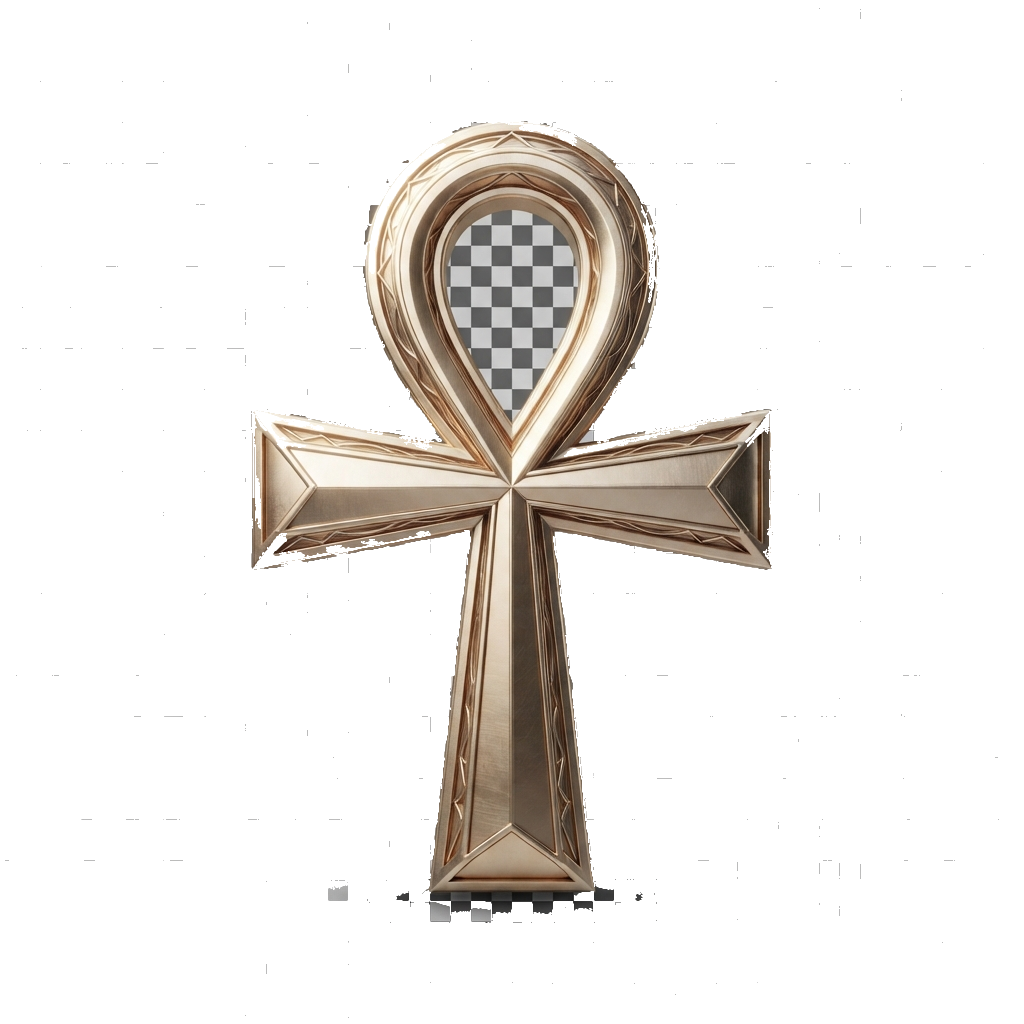
The Ankh cross, or “key of life,” represents far more than a simple stylized shape. It is one of the most recognizable hieroglyphs of ancient Egypt, appearing as early as the First Dynasty around 3100 BC. Archaeologists have found it engraved on steles, painted in tombs such as that of Tutankhamun, and in the form of amulets worn by pharaohs. It was not a random decorative motif, but a concrete representation of the concept of life and immortality.
Origins and Evolution of the Egyptian Key of Life
The Ankh first appears under the Old Kingdom, although its exact shape may have varied across eras. Early depictions often show it in the hands of gods such as Isis or Osiris, transmitting the breath of life to pharaohs. Discoveries at Abydos, dating to the predynastic period (before 3100 BC), even suggest rudimentary prototypes, attesting to its very ancient roots in Egyptian symbolism. Its use spanned the dynasties, from Djoser to Cleopatra VII.
The Deep Meaning of the Ankh: Life and Immortality
At the heart of Egyptian cosmology, the Ankh symbolized life in all its dimensions: earthly life, eternal life after death, and fertility. It is associated with regeneration, the cycles of the Nile, and divine power. Priests used it during funerary rituals to ensure the passage of the deceased into the afterlife. It was not a simple lucky charm; it was a condensed expression of fundamental beliefs about existence and the survival of the soul.
Choosing an Ankh Cross: Materials, Craftsmanship, and Uses
Acquiring an Ankh cross involves considering several aspects beyond aesthetics alone. Traditional materials, such as gold (a symbol of the sun and divinity), silver (associated with the moon and nocturnal deities), or copper, gave the object both intrinsic and symbolic value. Today, faithful reproductions and contemporary creations are available in a wide range of materials.
Authentic Materials for a Durable Ankh Cross
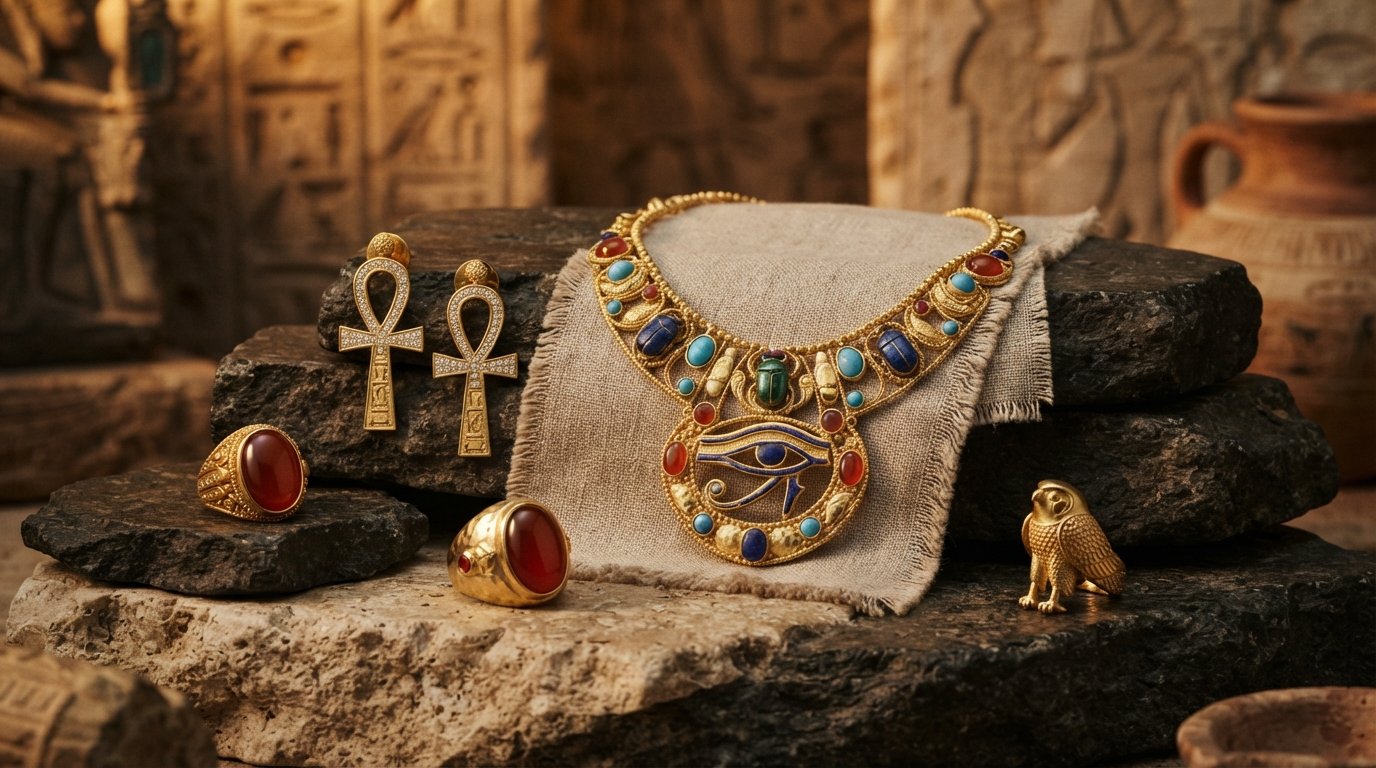
Historically, Ankhs were often crafted from solid gold for pharaohs and dignitaries, or from bronze for more common objects. Gold, with its resistance to corrosion, gave the object lasting symbolic value. For jewelry, 925 sterling silver offers an appealing balance between cost and durability, developing a distinctive patina over time. Some pieces incorporate semi-precious stones such as lapis lazuli or turquoise, prized by the Egyptians for their symbolic colors and mineral properties.
The Ankh: Jewelry, Decorative Piece, or Spiritual Support?
An Ankh cross can serve as a pendant or earring, adorn a ring, or become a decorative accent for a home or office. For a pendant, check the quality of the bail and the weight for comfortable wear (for example, a 3 cm silver model weighs about 5 to 8 grams). As a decorative piece, a carved resin or engraved wood version measuring 15 to 20 cm in height can enrich a bookshelf or personal altar. The choice depends on the intention behind the purchase.
Incorporating the Key of Life into Daily Life: Wearing and Specific Care
Wearing an Ankh cross today is a personal statement, whether it’s about showing an interest in ancient Egypt, connecting with its symbolism of life, or simply appreciating its timeless design. This history-laden object deserves special care to preserve both its material integrity and its meaning.
Tips for Choosing and Caring for Your Ankh Pendant
When purchasing a pendant, make sure the bail (the attachment loop) is soldered or thick enough to withstand daily wear. For a silver model, regular cleaning with a soft jewelry cloth is enough to remove tarnish. Avoid abrasive products that could scratch the surface. Gold pieces require less maintenance but benefit from occasional polishing to keep their shine.
The Ankh as a Decorative Element or Subject of Historical Study
A wall-mounted Ankh, often made of bronze or brass, can become a focal point in a room. For these pieces, simple dusting is enough. If you acquire a museum replica made of resin or reconstituted stone, direct sunlight exposure could fade the colors over time. Consider the Ankh as an object of study, like those displayed at the Louvre Museum (Egyptian wings, room 316), to appreciate the richness of its historical significance.
Frequently Asked Questions About the Ankh Cross
What is the difference between a gold Ankh and a silver Ankh?
The main distinction lies in the symbolism and physical properties. Gold, historically linked to the sun and divinity, is more resistant to oxidation and offers a permanent shine. Silver, associated with the moon, tarnishes over time, developing a distinctive patina that some people appreciate. The choice depends on your aesthetic preference, your budget (gold being more expensive), and the amount of maintenance you’re willing to do.
How do I choose the ideal size for an Ankh pendant?
For discreet, everyday wear, an Ankh measuring 2 to 3 cm in height is often ideal. If you’re looking for a bolder piece or a statement focal point for an outfit, a size of 4 to 5 cm may be worth considering. For men, larger models, up to 6-7 cm, are sometimes chosen. Also consider the weight of the Ankh, especially if you plan to wear it on a thin chain.
Can anyone wear an Ankh, or is it tied to specific beliefs?
The Ankh is above all a symbol of life and immortality originating from ancient Egypt. Although it was historically linked to Egyptian deities and pharaohs, its significance has become more universal. Today, many people wear it out of interest in history, for its personal meaning of vitality, or simply for its aesthetic appeal. It is not exclusive to any particular religion or modern philosophy.