

With over 14 years dedicated to Egyptian-inspired jewelry, he has personally examined thousands of scarab, ankh, and Eye of Horus pieces.
Origins and Importance of Jewelry in Ancient Egypt
In Ancient Egypt, jewelry held a central place in society and went far beyond mere decoration. Worn by men, women, and even children from a very young age, these pieces were considered powerful objects, imbued with deep meaning and protective qualities.
Every piece of jewelry possessed a strong spiritual dimension: it served to ward off negative forces, attract the benevolence of the gods, and strengthen the bond between the individual and the sacred. Shapes, symbols, and materials were never chosen at random, as they were deeply rooted in specific religious beliefs.
At the same time, jewelry played a fundamental social role. It allowed for the immediate identification of a person’s rank and function within the Egyptian hierarchy. Gold and precious stones were reserved for the elite and the priesthood, while the working classes wore simpler, yet equally symbolic, ornaments.
Used in both daily life and religious ceremonies, jewelry thus reflected the profound union between spirituality, power, and social identity.

Iconic Materials of Egyptian Jewelry
Ancient Egyptian jewelry is distinguished by the richness and diversity of its materials, carefully selected for their symbolic value as much as for their beauty.
Gold dominated most creations. Considered the flesh of the gods, it embodied immortality and divine power. Its resistance to tarnish reinforced its association with eternity. Pharaohs, priests, and the elite used it abundantly in their adornments, making this precious metal both a spiritual and social marker.
Precious and semi-precious stones also played an essential role. Lapis lazuli symbolized the sky and divine wisdom. Turquoise evoked protection and rebirth. Carnelian represented vitality and solar energy. Each stone was chosen to amplify the protective power of the jewelry and convey a specific religious message.
Organic materials made jewelry accessible to the common classes. Colored glass imitated precious stones, seashells embodied fertility, and wood or ivory were used to create simple yet meaningful ornaments.
This diversity of materials testifies to Egyptian artistic refinement and explains the lasting influence of these creations throughout the centuries.

Symbolism and Meaning of Egyptian Jewelry

Types of Jewelry Worn in Ancient Egypt
In Ancient Egypt, the variety of jewelry worn reflected the artistic refinement and the symbolic importance placed on appearance. These ornaments were not limited to an aesthetic function: they protected, asserted social status, and accompanied individuals in daily life as well as during religious ceremonies.
Jewelry could adorn almost every part of the body, reflecting a culture where elegance and spirituality were closely linked.
Among the most iconic pieces were wide necklaces called usekh, which covered the chest and symbolized protection of the heart. Pectorals, richly decorated with sacred symbols, were often reserved for the elite and royalty. Bracelets, worn on wrists and ankles, could have protective value, while rings sometimes served as official seals, embodying authority and power.
Headdresses adorned with gold and beads completed the sacred appearance of the elite, and earrings, which appeared later, contributed to the assertion of social rank.
Main types of jewelry worn:
-
Usekh necklaces
-
Symbolic pectorals
-
Bracelets and anklets
-
Signet rings
-
Ornate headdresses
-
Earrings

Jewelry and Social Status

Funerary Jewelry and the Afterlife

Manufacturing Techniques of Egyptian Jewelry
Ancient Egyptian artisans possessed remarkable craftsmanship that testifies to a level of technique particularly advanced for their time. Their precision, attention to detail, and creativity continue to impress historians and jewelers today.
The jewelry was not just beautiful; it was the result of rigorous technical mastery, passed down from generation to generation and perfected over the dynasties.
Gold work occupied a central place in this craft. The Egyptians knew how to extract, melt, hammer, and solder the metal with great skill. Using simple but effective tools, they shaped complex forms and achieved details of exceptional finesse. Their ability to chisel, polish, and assemble elements demonstrated a deep understanding of metal properties.
Inlay and enameling completed these techniques. Inlay required extreme precision to integrate stones and colored materials into elaborate geometric patterns. Enameling, meanwhile, brought brilliance, contrast, and durability to the creations. Together, these processes brought to life jewelry that was aesthetic, symbolic, and of remarkable technical quality.

The Legacy of Egyptian Jewelry in Modern Jewelry
Conservation and Restoration of Egyptian Jewelry

Egyptian Jewelry: Cultural and Tourism Impact
Ancient Egyptian jewelry is not just a collection of precious art objects; it is also a powerful cultural vector and a major driver of heritage tourism. Studying and exhibiting these pieces allows for the transmission of exceptional historical, artistic, and artisanal knowledge to new generations.
Through these millennia-old adornments, an entire civilization is revealed, showcasing its beliefs, social organization, and aesthetic sense.
In museums around the world, Egyptian jewelry holds a place of honor for its artistic and historical value. These fascinating pieces attract millions of visitors each year, curious to discover the daily, religious, and political life of Ancient Egypt. Their presentation contributes to the international reach of Egyptian heritage and stimulates cultural tourism.
Jewelry also plays a major educational role. It serves as teaching material in schools, universities, and specialized institutions, helping to concretely illustrate:
-
Ancient manufacturing techniques
-
Religious and spiritual symbolism
-
The evolution of styles and dynasties
-
Cultural exchanges in Antiquity
Studying this jewelry helps to preserve and disseminate the legacy of Ancient Egypt for the long term.

FAQ on The Influence of Egyptian Jewelry
Why was jewelry so important in Ancient Egypt?
Jewelry symbolized divine protection, social status, and spirituality. It accompanied both the living and the dead. Its role went far beyond aesthetics.
Which materials were most used?
Gold dominated, accompanied by stones like lapis lazuli and turquoise. Organic materials were also common. Each element had a precise meaning.
What does the scarab represent in Egyptian jewelry?
The scarab symbolizes rebirth and transformation. It was associated with the rising sun and was a very popular amulet.
Was jewelry worn by everyone?
Yes, all social classes wore jewelry. The difference lay in the materials used. Even the most modest pieces held symbolic value.
How does Egyptian jewelry influence current fashion?
Modern designers borrow Egyptian shapes and symbols. Gold and sacred motifs are reinterpreted. The influence remains strong in luxury and fashion.
What is the meaning of Egyptian symbols in jewelry?
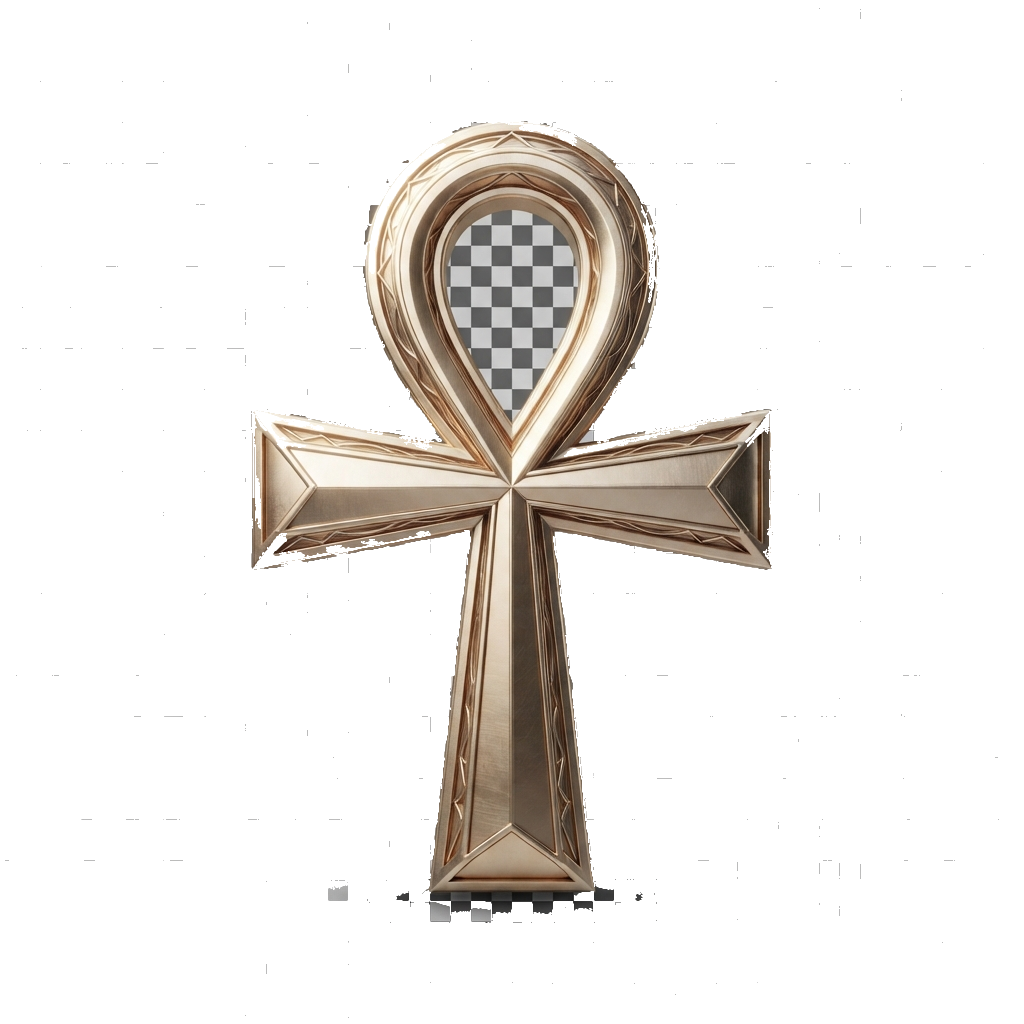
Symbols like the ankh, the scarab, or the Eye of Horus protected and guided the wearer. Each motif had a precise religious or spiritual meaning.
Why was gold so important in Egyptian jewelry?
Gold symbolized the sun, immortality, and divinity. It was used primarily for royal and sacred jewelry, resisting time and tarnish.
Did Egyptian jewelry have protective power?
Yes, jewelry served as talismans against bad luck and illness. Amulets combining symbols and materials reinforced this protection.
Who wore jewelry in Ancient Egypt?
All Egyptians wore jewelry, including men, women, and children. The elite used gold and stones, while the common people favored simpler materials.
How does Egyptian jewelry influence modern jewelry design?
Designers are inspired by Egyptian symbols and shapes, such as the ankh and the scarab. Gold and vibrant colors dominate contemporary designs.
Conclusion on The Influence of Egyptian Jewelry
Ancient Egyptian jewelry continues to influence the modern world because it goes beyond simple aesthetics to embody a complete vision of existence. Through these pieces, the ancient Egyptians expressed their relationship with the divine, death, power, and social identity.
Every material, color, and symbol carried a precise message, transforming the jewelry into a protective talisman and an assertion of status. This symbolic depth explains their lasting fascination.
Their influence also persists thanks to the exceptional technical mastery of the artisans, whose work with gold, inlay, and enameling continues to inspire contemporary creators. Geometric shapes, bold necklaces, and sacred motifs are regularly reinterpreted in high jewelry and current fashion. Gold, associated with eternity and light, remains a central material in modern creations, thus perpetuating the Egyptian legacy.
Finally, Egyptian jewelry holds a major place in world culture thanks to its presence in museums and international exhibitions. It nourishes the collective imagination and reminds us that art can be aesthetic, spiritual, and meaningful all at once. It is this symbolic and artistic richness that explains its timeless influence.


