

With over 14 years dedicated to Egyptian-inspired jewelry, he has personally examined thousands of scarab, ankh, and Eye of Horus pieces.
What is a protective amulet?
A protective amulet is a symbolic object worn or kept with you to invite luck, safety, and peace of mind. According to tradition, it works through the power of the symbol (ancestral, religious, cultural), the material it is made of (metal, stone, wood), and the intention of the person wearing it. In everyday language, it is also referred to as a protective amulet, talisman, or charm. Amulets have existed since prehistoric times and are found in countless cultures, but few civilizations systematized their use as much as Ancient Egypt.
Protective amulets in Ancient Egypt
In the Egypt of the pharaohs, amulets were within reach of the living and placed with the dead. They reflect a worldview where order (Maat), renewal, and protection must be maintained through ritual gestures. Artisans created amulets from siliceous faience (Egyptian faience), stones (lapis lazuli, carnelian, turquoise), metals (gold, silver, copper), and sometimes wood. Each form condensed a mythical power.
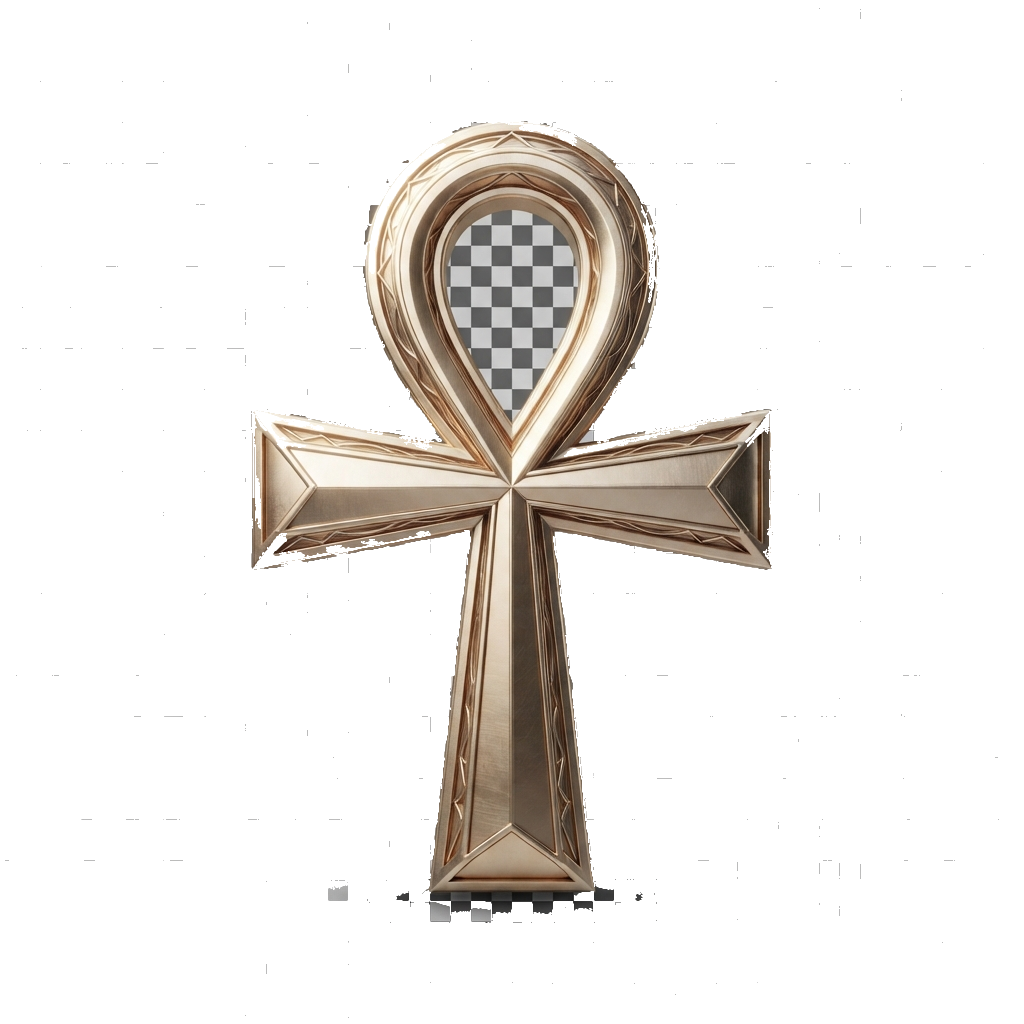
Ankh (cross of life)
The Ankh symbolizes life and vitality. Wearing an ankh-shaped amulet invited continuity, energy, and protection “through life.” In iconography, gods and pharaohs often hold an ankh, a sign of vital breath and balance.

Eye of Horus (Wadjet)
The Eye of Horus embodies protection, healing, and integrity. It is one of the most famous protective amulets. It was worn to ward off accidents, strengthen health, and repel the evil eye. It is an obvious choice for a powerful amulet against the evil eye.

Scarab (Khepri)
The scarab refers to renewal and the rising sun. It “rolls” the solar disk just as it rolls its ball of dung, an image of rebirth and transition. Heart scarabs, placed on mummies, were powerful protective amulets for the afterlife.

Djed Pillar
The Djed symbolizes stability and solidity (Osiris’s vertical column). As a pendant, it grounds, reassures, and supports inner constancy. Ideal for those seeking a protective amulet linked to quiet strength.
Ouadj Papyrus
The Ouadj papyrus evokes freshness and vigor. It is sometimes linked to the protection of youth or nascent projects. In Egypt, it also refers to the fertility of the Nile marshes and the life cycle.
How does an amulet work?
Amulets combine symbolic, material, and ritual dimensions. They never replace medical, legal, or security advice; they accompany a personal journey (confidence, peace, grounding).
Intention & ritual
-
Clear intention: formulate what you wish to protect (travel, home, serenity).
-
Simple ritual: purify (see below), consecrate by naming the goal, wear the amulet as close as possible.
-
Repetition: a short, regular gesture anchors the symbolism (breathing, gratitude).
Materials & symbols
-
Metals: gold (prestige/solar), silver (lunar/intuitive), stainless steel (durable, hypoallergenic, easy to maintain), copper (popular traditions).
-
Stones: lapis (intuition), carnelian (vitality), tiger’s eye (protection), onyx (grounding).
-
Symbols: choose a form that “speaks” to you: Eye of Horus for protection, ankh for vitality, djed for stability, scarab for renewal.
Daily wear
-
On the skin: necklace, bracelet, ring, pocket amulet.
-
On objects: keychain, vehicle, bag, desk.
-
In the home: near the door, on a personal altar, in a bedroom (ensuring material safety).
Powerful protective amulet: criteria
To qualify as a powerful protective amulet, combine:
-
Relevance of the symbol: an Eye of Horus or a scarab, strongly associated with “protection/renewal,” are good candidates.
-
Consistency of the material: a durable metal (gold, silver, stainless steel) or a stone suited to your intention.
-
Manufacturing quality: solid finishes, legible patterns (avoid approximation: precision reinforces the symbolic “reading”).
-
Activation ritual: purification, intention, anchoring in a routine.
-
Personal affinity: the object must please and reassure you; this is central for it to “work” for you.

Powerful amulet against the evil eye
The evil eye is the belief that jealousy or negative intention can “reach” you. A powerful amulet against the evil eye will focus on:
-
Protective symbols: Eye of Horus, sometimes associated with stylized protective eyes, protective hand in other cultures.
-
Discreet and constant wear: short chain, jewelry under clothing, daily bracelet.
-
Intentional keywords: mentally repeat a brief phrase (“I protect myself and move forward serenely”).
-
Regular maintenance: purification (smudging, dry salt), recharging (soft light), checking clasps.
DIY protective amulet
Creating a DIY protective amulet can strengthen attachment and intention. Three simple ideas:
Thread, bead, and symbol
-
A sturdy cord (waxed cotton, vegan leather, red thread).
-
A bead or small symbolic pendant (ankh, eye, wood/metal scarab).
-
Intention knot: when closing, state your wish (travel protection, mental clarity).
Intention parchment
-
Small paper folded several times, with a positive phrase in the present tense (“I feel protected and confident”).
-
Lightly oil with a neutral oil or a drop of incense (optional).
-
Slip into a charm box or a tiny sewn pouch.
Protective pouch for the home
-
Small natural fabric pouch.
-
Dry salt, bay leaf, thyme (popular traditions), and a symbol (ankh charm / eye).
-
Hang near the entrance. Renew every 1 to 3 months.
Note: these suggestions are cultural and symbolic. They do not replace medical or safety advice.

How to choose your protective amulet
Here are the right steps to choose your protective amulet:
1) Clarify the intention
-
General protection: Eye of Horus, ankh.
-
Stability/challenges: Djed, onyx.
-
Renewal/changes: scarab, carnelian.
-
Peace: Ouadj papyrus, lapis lazuli.
2) Choose the form and wear
-
Necklace: close to the heart, good for emotional security.
-
Bracelet/ring: visible, constant reminder of the intention.
-
Keychain / pocket: practical for those who don’t wear jewelry.
3) Adapt materials to daily life
-
Stainless steel: stainless steel ring or pendant: resistant, economical, low maintenance.
-
Silver: more delicate (risk of tarnish), but luminous.
-
Gold: durable, expensive, rewarding.
-
Wood/stone: pleasant to the touch, but sensitive to water/shocks.
4) Check ethics and quality
-
Clear origin, correct manufacturing conditions.
-
Solid finishes, reliable clasps, non-sharp edges.
-
Comfortable size/weight (an amulet that is too heavy ends up in the drawer).

Purification, recharging, and maintenance
A simple routine helps keep your protective amulet symbolically “clean” and physically durable.
Purify (your choice, 1 to 2 times/month)
-
Smudging: incense (frankincense), sage, benzoin. Pass the amulet through the smoke for 20–30 s.
-
Dry salt: place the amulet next to a small bowl of salt (avoid direct contact with sensitive metals/stones).
-
Water: only if the material allows it (no wood, no porous stones). Dry gently.
Recharge
-
Daylight (indirect): 30–60 min, without overheating.
-
Moon (full moon): place near a window.
-
Intention gesture: hold the amulet between your hands, breathe for 1 minute, recall the key phrase.
Material maintenance
-
Stainless steel: microfiber cloth, warm soapy water if needed, dry well.
-
Silver: anti-tarnish polishing cloth, avoid humidity.
-
Gold: warm water + mild soap, very soft brush.
-
Wood/stone: avoid water and shocks, wipe dry.
Limits, ethics, and legal framework
Amulets are symbolic and cultural. They do not heal and do not replace doctors, therapists, or security devices. Wear them as personal support for your concrete actions: consulting a professional, securing your home, adopting healthy habits. Respect symbols (no disrespectful appropriation) and prioritize responsible sources.

FAQ: protective amulets
What is the difference between an amulet and a talisman?
A protective amulet is mainly used to protect or ward off negative influences. A talisman aims more to attract something (luck, success, love). In practice, the two overlap and many people use the terms as synonyms.
Which Egyptian amulet to choose for general protection?
For versatile protection, the Eye of Horus is a classic: it symbolizes integrity, health, and vigilance. The ankh supports vitality and balance. The scarab promotes renewal after a difficult period. Choose the one that “resonates” most with you.
Does a powerful amulet against the evil eye exist?
Yes, in traditions, the Eye of Horus and protective eyes are worn to counter the evil eye. Effectiveness depends mainly on your consistency (regular wear), your intention, and your concrete actions (lifestyle, relationship boundaries, security).
How to consecrate a protective amulet?
Purify it (smudging or dry salt), hold it between your hands, state your intention in a calm voice (“I ask for protection and clarity”), then wear it for a full day. Repeat a short ritual each week to maintain this symbolic bond.
Can I make a DIY protective amulet?
Yes. A cord, a simple symbol (ankh, eye), an intention phrase, and a regular gesture are enough. The important thing is not complexity, but consistency: an object you love, a clear meaning, a gentle but followed practice.
Which material is the most practical for daily use?
Stainless steel is very resistant, easy to clean, and often hypoallergenic: ideal for daily wear. Silver and gold require more care but offer a precious look. Stones and wood are pleasant, but more sensitive.
What is the best protective amulet?
The best protective amulet is the one that matches your energy and intention. Egyptian symbols like the Eye of Horus, the Ankh cross, or the scarab are renowned for their strength. The choice depends on your needs: serenity, luck, or protection against negative energies.
What is the most powerful stone for protection?
Black tourmaline is often considered the most powerful protective stone. It absorbs negative energies and helps you stay grounded. Other stones like obsidian, tiger’s eye, or onyx are also renowned for strengthening amulets and promoting emotional stability.
What to wear to protect yourself from the evil eye?
To protect yourself from the evil eye, wear an Eye of Horus Amulet or a Protective Amulet symbolizing vigilance and light. Stainless steel, silver, or obsidian stone are ideal materials for daily wear. The secret lies in the intention and the regularity of wear.

The protective amulet: a sacred heritage between past and present
The protective amulet remains much more than just a piece of jewelry: it is a link between the visible and the invisible, between the human and the sacred. Inherited from Ancient Egypt, it embodies the universal quest for safety, harmony, and confidence. Whether fashioned from stainless steel, natural stone, or crafted by your own hands, its power lies above all in the intention you place within it. Wearing an amulet means choosing to walk each day with serenity, grounding, and light.
Explore our entire collection of Egyptian protective amulets to find the one that matches your energy and your story.


