

With over 14 years dedicated to Egyptian-inspired jewelry, he has personally examined thousands of scarab, ankh, and Eye of Horus pieces.
The fascinating history of Egyptian necklaces
Egyptian necklaces trace their origins back over 3,000 years to the heart of Ancient Egypt. In those days, jewelry was far more than mere decoration: it was a vessel for power and spirituality.
Crafted from gold, lapis lazuli, turquoise, or carnelian, these necklaces were reserved for the elite: pharaohs, court members, and priests. Some designs, known as “wesekh” or “Egyptian pectorals,” were grand pieces that covered much of the chest. These pieces signaled social status while also serving a ritualistic purpose.
To learn more about the historical context, visit the Gleencair Museum website
The symbolism of Egyptian necklaces
For millennia, Egyptian necklaces have held a central place in the culture and spirituality of Ancient Egypt. Far from being simple ornaments, they embodied sacred and protective symbolism. Each pendant—whether a cross ankh, a scarab, or the Eye of Horus—was chosen with care, acting as a silent language that reflected an identity, a belief, or a spiritual quest. Even today, these necklaces captivate with their timeless aesthetic, allowing you to wear a true piece of ancient history around your neck. In the following lines, we dive into this world rich in imagery and meaning to understand why these pieces continue to inspire both history buffs and modern jewelry lovers alike.
The Ankh cross – symbol of immortality
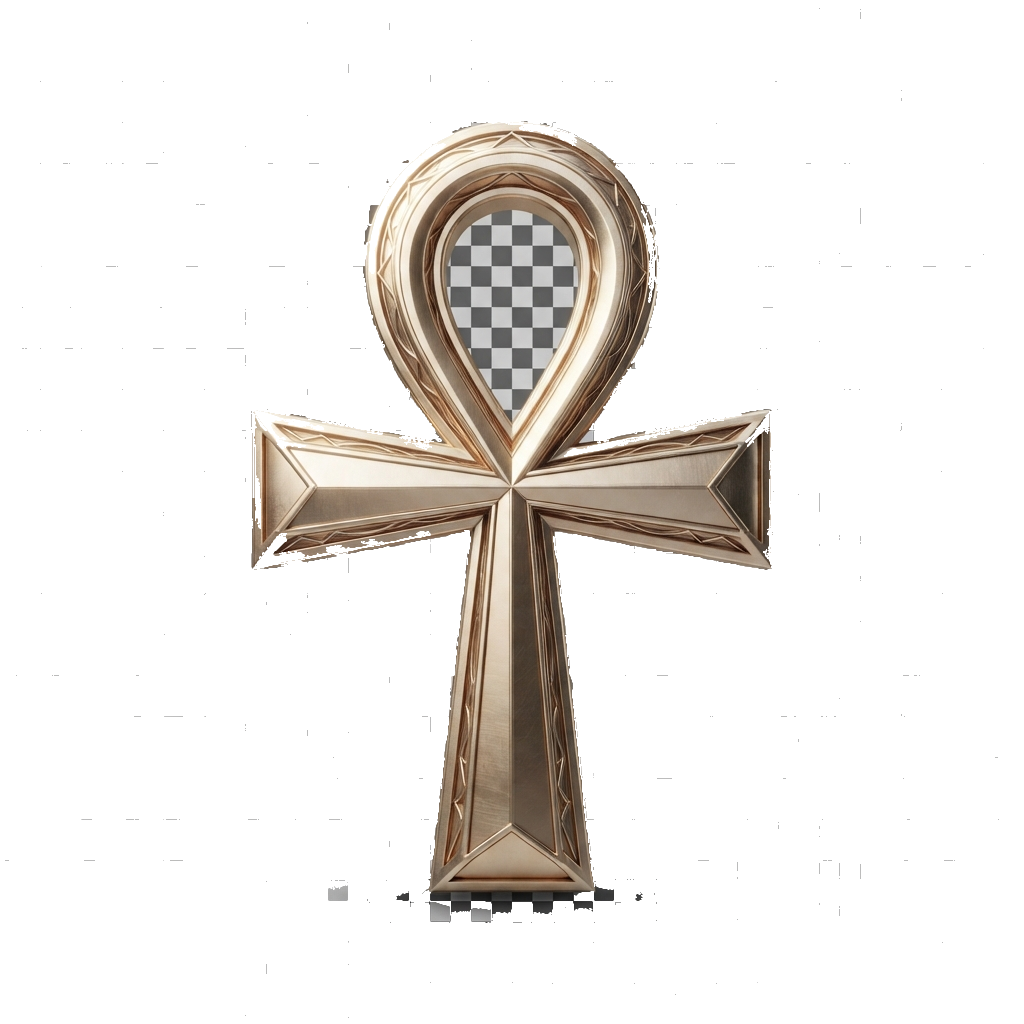
The Ankh is arguably the most famous symbol of Ancient Egypt. Represented as a cross topped with a loop, it embodies eternal life. Wearing an Ankh necklace was meant to attract protection and vitality. Today, it remains a powerful spiritual accessory, highly prized for its minimalist aesthetic.

Learn more about the Ankh cross
The scarab – rebirth and protection
The scarab was seen as a guide toward rebirth. Associated with the god Khepri, it symbolized the rising sun and the cycle of life. A pharaonic scarab pendant protected its wearer against negative energies. In tombs, gemstone scarabs accompanied the deceased into the afterlife.

The Eye of Horus – health and clairvoyance
The Eye of Horus is another essential symbol. It represents the victory of light over darkness, healing, and protection. Wearing an Eye of Horus necklace is said to strengthen intuition and ward off the evil eye. The meaning behind the Eye of Horus necklace particularly appeals to those seeking to combine spirituality with style.

How to choose an Egyptian necklace?
Choosing an Egyptian necklace means connecting with a millennial heritage that blends aesthetics, symbolism, and spirituality. Much more than a simple accessory, it was worn to protect the soul, affirm a belief, and display spiritual or social status, and it still captivates today with its evocative power. Let’s discover the essential elements that make the Egyptian necklace a timeless piece that is both protective and elegant.
Identifying quality materials
The first criterion for choosing an Egyptian necklace is the quality of the materials. In antiquity, gold and precious stones dominated, symbolizing the divine and eternity. Today, modern versions cater to all budgets. Silver remains an elegant and timeless choice, appreciated for its luster. Stainless steel is a must-have, favored for its resistance, ease of care, and durability—perfect for everyday wear. Gold retains its prestige and value, but is aimed primarily at those seeking high-end pieces. Choosing the right material ensures a balance of aesthetics, comfort, and longevity. A quality Egyptian necklace always stands out through the robustness and finesse of its finishes.

Recognizing an Egyptian necklace
Egyptian necklaces are distinguished above all by the richness of their symbols and the finesse of their details. Each pendant tells a story: the Ankh cross embodies eternal life, the Eye of Horus protects against the evil eye, and the scarab symbolizes rebirth. These representations must be precise, with clean lines and balanced proportions to retain their full visual and spiritual power. A well-crafted piece reveals the nobility of its motif: finely engraved hieroglyphs, sharp contours, and meticulous finishes. These elements are not merely decorative: they extend the millennial legacy of Ancient Egypt and give the necklace a unique aura.
Matching your necklace to your style
Choosing an Egyptian necklace should also reflect your personal style. Discreet models, with small pendants like an Ankh or a minimalist Eye of Horus, are ideal for daily wear: they provide a subtle symbolic touch. Conversely, statement necklaces with larger pendants and detailed engravings draw the eye and become the centerpiece of an outfit, perfect for special occasions. Versatile, Egyptian necklaces adapt just as well to a modern, casual look as they do to formal attire. Choosing your necklace is about asserting your style and your connection to the symbolism of the jewelry.
Gifting an Egyptian necklace
An Egyptian necklace is a unique gift that combines aesthetics, history, and symbolism. More than just a piece of jewelry, it conveys a strong and personal message. Gifting an Ankh pendant is like wishing someone vitality and longevity, while a scarab evokes rebirth and protection. The Eye of Horus symbolizes clairvoyance and health. These meanings provide a spiritual depth that sets the Egyptian necklace apart from other jewelry.
Whether given for a birthday, a wedding, or a special occasion, it leaves a lasting impression. By choosing a model suited to the recipient’s personality, the necklace becomes both a stylish accessory and a true protective amulet.

Where to buy an Egyptian necklace in France?
Finding the right Egyptian necklace in France means knowing where to look, because between modern stainless steel models, refined silver pendants, or high-end gold pieces, it is not always easy to distinguish authentic creations from imitations. The options are varied: specialized online boutiques for convenience, craft markets for direct contact with creators, or local jewelers for unique, handmade pieces. In any case, prioritizing reliable and transparent sources guarantees an aesthetic, durable, and meaningful necklace. In the following lines, let’s discover the different purchasing options and the advantages they offer.
Specialized online boutiques
Online boutiques specializing in Egyptian jewelry are currently one of the best options. They offer a wide selection of necklaces, pendants, and amulets, often categorized by symbol or material. Among them, Shop stands out with models suitable for all budgets. Online shopping is appealing for its convenience: fast delivery, secure payments, and customer reviews. These sites generally guarantee the quality of materials and the accuracy of the symbols. For a gift or a personal purchase, they remain the simplest and most reliable solution.
Craft markets and fairs
Craft markets and specialized fairs offer an excellent alternative for buying an Egyptian necklace in France. You will find jewelers passionate about ancient art, offering original creations that are often handmade. The major advantage is being able to see the jewelry up close, appreciate the finishes, and even try them on. These events also allow you to talk directly with the creators, understand their process, and verify the quality of the materials. In a friendly and unique atmosphere, they reveal authentic pieces that you don’t always find online.
Local jewelers and artisan workshops
Some local jewelers and jewelry workshops also offer necklaces inspired by Ancient Egypt. Rarer, these creations appeal for their authenticity and the proximity to the artisan. Buying from a jeweler offers the advantage of personalized advice and a guarantee on the origin of the materials. However, it is wise to remain vigilant: not all pieces are equal, and some imitations may slip in. Before buying, check the finishes, inquire about the metal used (silver, gold, stainless steel), and compare prices. Artisan workshops allow you to obtain a unique piece, often made to measure.

Care and maintenance of your Egyptian necklace
An Egyptian necklace is not just a decorative accessory: it embodies history, protection, and spirituality. Like any piece of jewelry, it is subject to the effects of dust, humidity, perspiration, friction, or chemicals, which can tarnish its luster and alter its engravings. Storage also plays an essential role: leaving it out in the open or in contact with other jewelry accelerates wear, while proper storage ensures better protection.
Caring for an Egyptian necklace relies on simple, regular, and attentive habits. In the following sections, let’s discover the best practices to preserve their beauty and symbolic strength for the long term.
Cleaning silver and stainless steel with a soft cloth
Regular maintenance with a soft cloth helps preserve the shine of an Egyptian necklace. For silver, a light polish is enough to remove natural tarnish. Avoid hard or abrasive brushes that risk scratching the surface. Stainless steel is easily cleaned with a slightly dampened microfiber cloth. For stubborn dirt, a rinse in lukewarm soapy water is effective, provided you dry it thoroughly afterward. This simple and regular care maintains the necklace’s shine and protects its engraved details.
To learn more about cleaning stainless steel jewelry
Avoiding harsh chemicals
Egyptian jewelry adorned with engraved symbols should never be cleaned with harsh chemicals. Detergents, perfumes, hairsprays, or lotions attack the metal and quickly tarnish its luster. Silver is particularly sensitive to solvents that accelerate tarnish, while stainless steel, although resistant, can also lose its shine if exposed to overly corrosive products. To protect your necklace, remove it before using cosmetics or household products. Opt for gentle and natural cleaning, with lukewarm water and a microfiber cloth, to preserve its beauty and longevity.
Storing your jewelry in a box or velvet pouch
How you store an Egyptian necklace directly influences its lifespan. To avoid tarnish, scratches, and impacts, keep it in a jewelry box or a velvet pouch, which protects it from humidity and prevents contact with other metals. Store each necklace separately to preserve chains and pendants, especially if they are adorned with engravings. If you wear them regularly, wipe them down quickly before storing them to remove traces of humidity or perspiration. This simple gesture keeps their luster and symbolism intact over time.
Removing your jewelry before swimming or exercising
Wearing an Egyptian necklace in all circumstances can weaken its structure and tarnish its shine. Chlorinated pool water, salty seawater, or perspiration during sports activities damage the metal and accelerate the wear of the chain or pendant. Sudden movements also increase the risk of scratches or deformations. To preserve the jewelry, it is recommended to remove it before any physical or aquatic activity. In doing so, you protect not only its quality but also its symbolic and spiritual value.

Favorite Egyptian necklaces
Among the jewelry inspired by Ancient Egypt, certain necklaces stand out for their timeless elegance, symbolic strength, and ability to adapt to any style. Much more than mere ornaments, they tell a story and convey universal values like protection, inner strength, or spiritual connection. It is in this spirit that we present three favorites, where beauty and symbolism meet to offer much more than just a piece of jewelry.
Ankh Necklace
The Ankh Necklace embodies eternal life and protection, an essential symbol of Ancient Egypt. Elegant and timeless, it captivates with its simplicity and adapts to any style. Crafted from stainless steel, the Ankh Necklace offers remarkable durability, ideal for daily wear while maintaining its shine and spiritual significance.
Scarab Necklace
The Scarab Necklace symbolizes rebirth and transformation, a legacy of ancient funerary beliefs. With its bold and refined design, it blends tradition and modernity. The Scarab Necklace immediately draws attention and becomes a centerpiece of an assertive look, while offering its wearer an aura of protection and positive energy every day.

Eye of Horus Necklace
The Eye of Horus Necklace is a protective piece, charged with history and symbolism. Representing clairvoyance and the victory of light over darkness, it stands as a spiritual and aesthetic ally. The Eye of Horus Necklace harmoniously blends tradition and contemporary fashion, becoming a refined accessory that protects its wearer while enhancing their style.
FAQ about Egyptian necklaces
What is the meaning of an Egyptian necklace?
An Egyptian necklace is more than just a piece of jewelry: it symbolizes spirituality, protection, and power. Ancient Egyptians wore these pieces as amulets to attract luck, health, and longevity.
What does the Ankh cross represent in an Egyptian necklace?
The Ankh cross, also called the “cross of life”, represents immortality and the continuity of life. It was often gifted as an amulet and worn as a necklace to serve as a reminder of eternity.
Why is the Eye of Horus so present in Egyptian necklaces?
The Eye of Horus is a symbol of protection, healing, and clairvoyance. Necklaces adorned with this motif were believed to protect the wearer against negative energies.
What is the meaning of the scarab in Egyptian necklaces?
The scarab symbolizes rebirth and transformation. The Egyptians believed it protected the soul and accompanied the deceased into the afterlife, which explains its frequent presence in necklaces.
Which precious stones were used in ancient Egyptian necklaces?
Ancient Egyptian necklaces were often inlaid with lapis lazuli, turquoise, carnelian, and emerald. These stones held not only aesthetic value but also spiritual significance.
How to recognize a necklace inspired by Ancient Egypt?
A necklace inspired by Ancient Egypt is recognized by its motifs (Ankh, scarab, Eye of Horus, pharaohs) and its solid materials like stainless steel, gold, or silver. Precise engravings and symbolic colors (blue, gold, red) reinforce its authenticity.
How to care for a modern stainless steel Egyptian necklace?
To keep the shine of a stainless steel necklace, clean it regularly with soapy water and a soft cloth. Avoid chemicals and store it in a pouch to prevent scratches.
Can you wear an Egyptian necklace every day?
Yes, modern Egyptian necklaces are designed for daily use. Thanks to durable materials like stainless steel, they retain their shine and easily adapt to different clothing styles.
What is the difference between a wesekh necklace and a modern Egyptian necklace?
The wesekh necklace was a wide, imposing piece of jewelry worn by pharaohs and priests, often decorated with stones and gold. Modern necklaces are inspired by these motifs but are more discreet and adapted to current fashion.
Is an Egyptian necklace a good symbolic gift idea?
Yes, gifting an Egyptian necklace is a way to give a piece of jewelry that carries meaning. Whether it’s the Ankh for life, the Eye of Horus for protection, or the scarab for renewal, each symbol has a strong value that makes this jewelry a unique gift.
Egyptian necklaces are not just simple jewelry: they tell a millennial story, embody powerful symbols, and adapt perfectly to our modern styles. Whether you are a history buff, in search of spirituality, or simply a lover of elegant jewelry, the Egyptian necklace is an ideal choice.


