

With over 14 years dedicated to Egyptian-inspired jewelry, he has personally examined thousands of scarab, ankh, and Eye of Horus pieces.
The Importance of Jewelry in Egyptian Civilization
Jewelry held a central place in the civilization of Ancient Egypt. It was worn by men and women, as well as children, which highlights its importance in daily life. Unlike some societies where jewelry was reserved for the elite, the Egyptians viewed these ornaments as objects useful for both beauty and spiritual protection. The difference between social classes was primarily reflected in the quality of the materials used.
The elite and pharaohs wore gold jewelry inlaid with precious or semi-precious stones. The working classes typically used faience, copper, or bronze. However, the symbolic meaning remained the same for everyone. Amulets engraved with religious symbols were believed to protect the wearer against evil forces and attract prosperity.
Jewelry also held funerary importance. The deceased were buried with their adornments to accompany them into the afterlife. Royal tombs have revealed extraordinary treasures, showing that these objects possessed immense spiritual and cultural value.

The Precious Materials of Egyptian Jewelry
Egyptian artisans used a wide variety of materials to create their jewelry. Gold was undoubtedly the most precious and symbolic. This metal was associated with the sun and immortality, as the Egyptians believed it never deteriorated. Pharaohs and members of the nobility often wore solid gold adornments to represent their connection to the gods.
Beyond gold, artisans also used copper, silver, and bronze. These metals were more accessible but still allowed for the creation of refined jewelry. Semi-precious stones also played an important role in Egyptian jewelry-making. They provided intense colors and reinforced the symbolism of the pieces.
The most commonly used stones were lapis lazuli, turquoise, and carnelian. Each possessed a specific meaning. The deep blue of lapis lazuli evoked the sky and the divine realm, while turquoise symbolized protection and luck. Carnelian, with its orange-red color, was associated with energy and vitality.
Thanks to this combination of metals and stones, Egyptian jewelry was both aesthetic and symbolic.
Craftsmanship Techniques
Major Symbols in Egyptian Jewelry
Egyptian jewelry was often decorated with powerful symbols linked to religion and mythology. These motifs were intended to protect the wearer and attract divine energy. Each symbol possessed a precise meaning and was associated with a deity or a spiritual concept.
Among the most well-known symbols are the scarab, the Ankh, and the Eye of Horus. These signs appeared on pendants, rings, or pectorals. They could be worn alone or combined with other motifs to strengthen their symbolic power.
The Egyptians viewed these symbols as amulets capable of influencing daily life. Wearing a piece of jewelry decorated with a sacred symbol allowed one to benefit from the protection of the gods and balance spiritual forces.
These pieces of jewelry thus formed a true visual language. They conveyed messages related to life, protection, rebirth, and divine power. This symbolic dimension explains why Egyptian jewelry continues to fascinate today.
 The scarab: a symbol of rebirth
The scarab is one of the most famous symbols of Ancient Egypt. It represents rebirth and the eternal cycle of life. The Egyptians observed the behavior of this insect, which rolls a ball of organic matter and lays its eggs inside. This phenomenon was perceived as a metaphor for creation and renewal.
The scarab was associated with the god Khepri, a form of the sun god. According to mythology, Khepri pushed the sun across the sky each morning, symbolizing the daily rebirth of the solar star.
Scarab-shaped amulets were very popular. They were worn as pendants or integrated into rings. These pieces symbolized transformation and spiritual protection.
The Ankh and eternal life
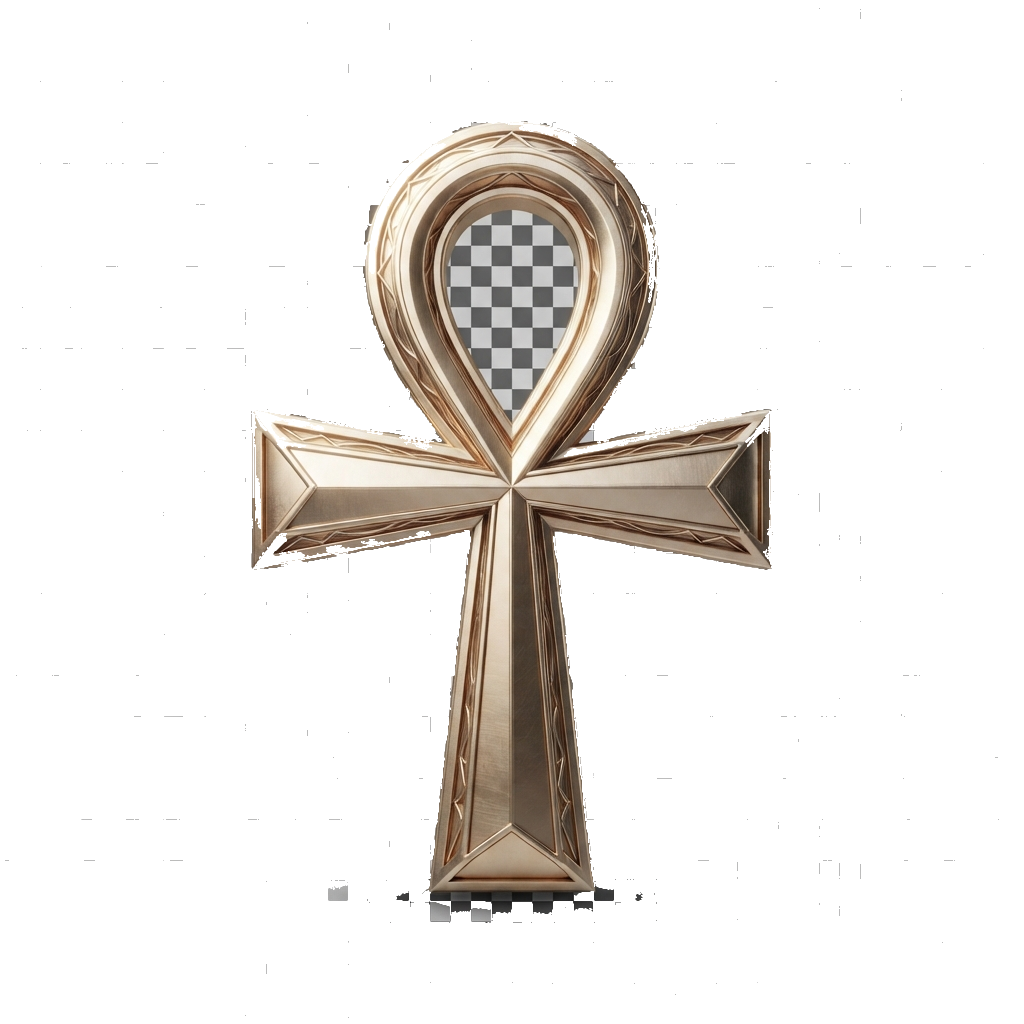
The Ankh is one of the most recognizable symbols of Egyptian culture. It represents life, immortality, and cosmic balance. Its unique shape, composed of a loop and a cross, evokes the union between the earthly world and the divine world.
In Egyptian art, the gods are often depicted holding an Ankh in their hands to offer life to humans. This symbol was therefore considered a powerful talisman.
Ankh-shaped jewelry was very popular in Ancient Egypt. It was worn to attract divine protection and strengthen the wearer’s vitality.

The Eye of Horus and protection
The Eye of Horus is a major symbol in Egyptian mythology. It represents protection, healing, and vigilance. According to legend, the god Horus lost his eye during a battle against Seth. It was later restored, becoming a symbol of regeneration.
The Egyptians often wore amulets representing this eye. These pieces were believed to protect the wearer against dangers and negative forces.
The Eye of Horus appears frequently in necklaces and bracelets. It also symbolizes clairvoyance and the ability to see beyond appearances.
Floral Motifs in Egyptian Jewelry
The lotus: a symbol of rebirth
The lotus is one of the most symbolic flowers of Ancient Egypt. It represents purity, rebirth, and the cycle of the sun. This plant opens at daybreak and closes at night, which evokes the natural rhythm of life.
In Egyptian mythology, the lotus is associated with the birth of the sun god. This flower therefore symbolizes creation and transformation.
Jewelry adorned with lotus motifs was highly prized for its spiritual meaning. It represented hope, beauty, and regeneration.
The papyrus: a symbol of prosperity
Papyrus was an essential plant in the daily life of the Egyptians. It was used to make paper, boats, and many utilitarian objects.
In jewelry, the papyrus symbolized fertility and prosperity. Artisans depicted its long leaves in necklaces or pectorals.
These motifs recalled the importance of the Nile in Egyptian civilization. They also evoked the continuity and richness of life.

Sacred Animals in Egyptian Jewelry
How to Choose Egyptian Jewelry Today
What is the meaning of Egyptian jewelry?
Egyptian jewelry had a spiritual and symbolic dimension. It served to adorn the wearer but also to protect them through religious symbols like the Ankh or the Eye of Horus.
Why did the Egyptians use so much gold?
Gold was associated with the sun and immortality. The Egyptians believed that this metal represented the flesh of the gods and therefore possessed great spiritual value.
What does the scarab represent in Egyptian jewelry?
The scarab symbolizes rebirth and the cycle of life. It is linked to the sun god Khepri and represents transformation and renewal.
What does the Ankh mean?
The Ankh is a symbol of eternal life and cosmic balance. It is often featured in jewelry to attract divine protection.
Does the Eye of Horus really protect?
In Egyptian culture, the Eye of Horus was considered a protective talisman. It symbolized healing, vigilance, and protection against negative forces.
What materials did the Egyptians use for their jewelry?
Artisans primarily used gold, copper, silver, and semi-precious stones such as turquoise, lapis lazuli, and carnelian.
Is Egyptian jewelry still popular today?
Yes, jewelry inspired by Ancient Egypt is still highly appreciated. Its symbolism and timeless aesthetic inspire many contemporary designers.
Conclusion on The Magic of Egyptian Jewelry: History, Symbols, and Tips
Jewelry from Ancient Egypt represents much more than simple decorative accessories. It embodies a rich cultural heritage where art, spirituality, and symbolism converge. Each pendant, ring, or amulet reflects the beliefs and values of a fascinating civilization that left its mark on human history.
These pieces of jewelry were used to protect, guide, and adorn those who wore them. Symbols like the Ankh, the scarab, or the Eye of Horus show how much the Egyptians sought to establish a link between the world of humans and that of the gods.
Even today, this heritage continues to inspire modern jewelry. Designers revisit these symbols to offer pieces that are both elegant and meaningful.
Adopting a piece of jewelry inspired by Ancient Egypt means wearing a piece of history and perpetuating a millennial tradition. This symbolic dimension explains why the magic of Egyptian jewelry remains timeless and continues to captivate lovers of culture and beauty.


