

With over 14 years dedicated to Egyptian-inspired jewelry, he has personally examined thousands of scarab, ankh, and Eye of Horus pieces.
History and Origins of Egyptian Jewelry
Egyptian jewelry dates back over 5,000 years and held a central place in the civilization of Ancient Egypt. Far more than mere ornaments, these pieces were imbued with religious, symbolic, and protective significance.
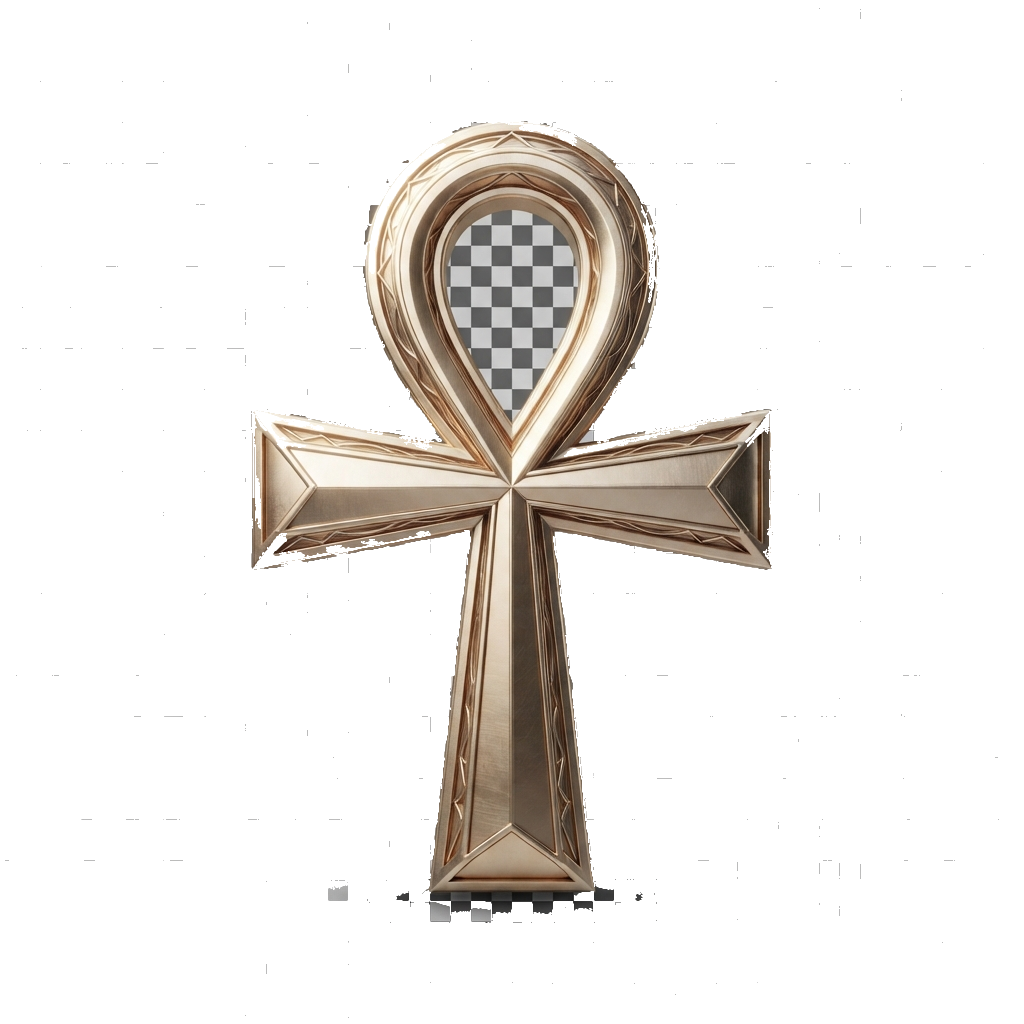
Certain symbols possessed magical power: the Ankh represented eternal life, the scarab embodied rebirth and the cycle of the sun, while the Eye of Horus protected against danger and promoted healing. These amulets were worn daily and placed in tombs to accompany the deceased into the afterlife, testifying to the importance of spirituality in the lives of the Egyptians.
Pharaohs and members of the nobility wore sumptuous adornments—wide necklaces, pectorals, bracelets, rings, and diadems—to assert their status and their connection to the gods. Artisans mastered the working of metals and stones: gold, abundant and considered the “flesh of the gods,” symbolized eternity, while silver, being rarer, remained highly precious.
Semi-precious stones like lapis lazuli, carnelian, turquoise, or malachite were chosen not only for their vibrant colors but also for their spiritual and protective meanings.

Symbolism and Meaning of Egyptian Jewelry
Wearing an Egyptian piece of jewelry goes far beyond aesthetics: it is an immersion into a millennial tradition and a connection to symbols rich in meaning. Each piece tells a story and conveys values that can resonate deeply with the wearer.
Motifs used since antiquity—whether the Eye of Horus, a symbol of protection and clairvoyance; the Ankh, representing eternal life; the scarab, embodying rebirth and transformation; or the lotus, associated with purity and spiritual renewal—give these pieces a dimension that is both personal and universal.
These symbols continue to attract many people today. Beyond their beauty, they establish a tangible link with the history and culture of Ancient Egypt, recalling ancient beliefs and traditions. For some, they offer a sense of protection or inner strength; for others, they embody spiritual or emotional values that one wishes to carry every day.
Thus, choosing an Egyptian piece of jewelry means choosing a unique accessory that combines elegance, meaning, and history.

Styles and Designs of Egyptian Jewelry
Egyptian jewelry stands out for its bold shapes, vibrant colors, and richness of detail. Inspired by the nature, mythology, and history of Ancient Egypt, they combine aesthetics, symbolism, and artisanal craftsmanship to create unique and timeless pieces.
Among the most iconic styles, necklaces and pendants occupy a central place. Often wide and adorned with semi-precious stones like lapis lazuli, carnelian, or turquoise, they highlight powerful symbols such as the Ankh, the scarab, or hieroglyphs. Inspired by the adornments of pharaohs and nobility, these pieces bring a majestic and historical dimension while immediately catching the eye.
Rings and bracelets also reflect the artistic richness of these jewels. Rings, generally made of gold or silver, are often set with colorful stones and decorated with symbolic motifs. Bracelets can be rigid or flexible and feature animal motifs or small protective amulets, combining elegance with spiritual significance.
Earrings and other accessories complete these sets with geometric shapes or traditional symbols. Crafted in gold or gold-plated metal and sometimes embellished with colored stones, they provide a refined finishing touch.
These pieces adapt perfectly to different styles, whether ethnic, boho-chic, or sophisticated, while maintaining a strong link with the culture and aesthetics of Ancient Egypt.

Why Choose Egyptian Jewelry
Egyptian jewelry stands out for its originality, bold shapes, and vibrant colors. Inspired by Ancient Egypt, these pieces combine aesthetics, symbolism, and artisanal craftsmanship to create accessories that are both elegant and meaningful.
Each piece reflects a subtle balance between detailed motifs, natural stones, and precious metals, giving rise to jewelry that is not just an ornament, but a true cultural expression.
Their unique style combines boldness and refinement. Wide necklaces, rings adorned with semi-precious stones, or bracelets decorated with iconic symbols allow you to assert your personality while adding a touch of elegance. Deep colors like the blue of lapis lazuli, the red of carnelian, or the green of malachite immediately catch the eye and recall the artistic traditions of Ancient Egypt.
These pieces also possess strong symbolic significance. Motifs like the Ankh, a symbol of eternal life; the scarab, representing rebirth; or the Eye of Horus, associated with protection, give each piece a spiritual and cultural dimension.
Wearing an Egyptian piece of jewelry means combining style, history, and symbolism. Whether to enhance your daily look or to offer an original and meaningful gift, these pieces transcend time while retaining their aesthetic and cultural power.

How to Identify Authentic Egyptian Jewelry
Recognizing authentic Egyptian jewelry requires attention, knowledge, and a keen eye. It is not enough to rely on appearance or colors: the quality of the materials, the finesse of the details, and the origin of the piece are essential elements in determining its authenticity.
Materials are a key indicator. Genuine gold and silver have a natural luster, a specific density, and uniform finishes. Natural stones frequently used in Egyptian-inspired jewelry, such as lapis lazuli, turquoise, or carnelian, often have slight variations in color or texture. These irregularities are normal and testify to their authenticity, unlike industrial imitations that appear too uniform.
Observing the motifs and engravings is also decisive. Traditional symbols such as hieroglyphs, the Eye of Horus, the scarab, or the Ankh must be precise, balanced, and consistent with Egyptian iconography. Mass-produced reproductions often feature less meticulous details or approximate symbols.
Finally, craftsmanship and provenance play a major role. Handmade jewelry shows more refined finishes and may be signed or stamped by the artisan. Checking the reputation of the seller, the workshop, or the presence of a certificate of authenticity ensures a reliable purchase and a piece that retains its artistic, historical, and symbolic value.

Care and Maintenance of Egyptian Jewelry
Maintaining Egyptian jewelry, often made of gold, silver, or adorned with semi-precious stones, requires special care to preserve its beauty, luster, and symbolic value. Regular maintenance helps preserve the artisanal details and the finesse of the engravings, while ensuring the durability of the pieces. Here are the main steps to follow:
-
Regular cleaning: Use a soft cloth for gold and silver to remove dust and fingerprints. Avoid harsh chemicals that can tarnish metals or damage stones. For semi-precious stones like lapis lazuli, carnelian, or turquoise, opt for gentle cleaning with lukewarm soapy water.
-
Proper storage: Store each piece separately to avoid friction and scratches. Use fabric-lined boxes or pouches, and avoid prolonged exposure to direct light, humidity, or temperature fluctuations, which can alter colors and tarnish metals.
-
Inspection and repairs: Regularly check clasps, chains, and attachments to prevent any damage. Artisanal or antique jewelry may require professional restoration to correct wear or minor damage. Consult a specialized artisan to preserve the authenticity and cultural value of the piece.

Buying Egyptian Jewelry: Practical Tips
Before buying an Egyptian piece of jewelry, it is essential to take certain precautions to ensure its authenticity and quality. These pieces, rich in history and symbolism, deserve special attention to ensure a safe and lasting purchase, while fully enjoying their beauty and cultural value.
The first point is to choose the right seller. It is recommended to favor specialized jewelry stores or recognized artisanal workshops, which guarantee authentic craftsmanship that respects traditions.
Checking reviews and recommendations from previous customers can help confirm the reliability of the seller. When possible, requesting a certificate of authenticity is an additional guarantee of security, especially for pieces made of precious metals or adorned with semi-precious stones.
Comparing prices is also important. Authentic jewelry reflects the quality of materials and the complexity of the craftsmanship, and its price should be consistent with these criteria. Offers that are too attractive should be approached with caution, as they may hide imitations or lower-quality finishes.
Taking the time to compare several options allows you to find the best combination of value, authenticity, and aesthetics.
Materials and Manufacturing Techniques
Understanding the materials and manufacturing techniques allows for a better appreciation of the quality and value of Egyptian jewelry. Each piece reflects precise craftsmanship, passed down since antiquity, and testifies to a unique balance between beauty, symbolism, and durability.
Gold and silver, the most prized metals, symbolized eternity and divinity, as well as purity and light, respectively. Their density, luster, and finish remain essential criteria today for recognizing quality jewelry.
Semi-precious stones also held a central place. Lapis lazuli, turquoise, carnelian, or malachite were chosen not only for their beauty and vibrant colors but also for their spiritual significance: protection, vitality, rebirth, or luck. Knowing how to identify these stones helps avoid counterfeits and fully appreciate the symbolic value of the jewelry.
Egyptian artisans mastered complex techniques such as engraving, filigree, cloisonné, and stone inlay, which ensured detailed, durable, and unique pieces.
Today, many contemporary designers combine these ancestral methods with modern technologies like 3D printing or laser, allowing for more precise motifs and great creativity while respecting ancient aesthetics.

How to Choose Egyptian Jewelry
Choosing Egyptian jewelry is not limited to aesthetics: it is essential to consider your personal style, preferences, and the intended use. These pieces, rich in symbolism and history, offer a wide variety of shapes, motifs, and materials, and each choice can reflect a personality or convey a specific intention.
To select your piece, start by identifying the symbols that speak to you. The Ankh, a symbol of eternal life; the scarab, an emblem of rebirth; or the Eye of Horus, a sign of protection, are all elements charged with meaning that can strengthen your attachment to the jewelry and add a personal dimension to your style.
Then, consider the material and finish. Gold, silver, and natural stones like lapis lazuli, carnelian, or turquoise influence not only the appearance of the jewelry but also its maintenance and durability.
Lovers of discreet pieces will opt for pendants or fine rings, while those who prefer a bold style will turn to wide necklaces, pectorals, or bracelets adorned with complex motifs.

FAQ on Why Choose Egyptian Jewelry
What makes Egyptian jewelry unique?
Each piece of Egyptian jewelry stands out for its symbolism, historical motifs, and noble materials. It combines meticulous craftsmanship, millennial history, and cultural significance, creating an accessory that is both aesthetic and meaningful.
How to recognize authentic Egyptian jewelry?
Check the quality of the metals (gold, silver), the precision of the motifs, and the origin of the piece. Handmade jewelry accompanied by a certificate is generally authentic.
Is Egyptian jewelry suitable for all styles?
Yes. They adapt to modern, bohemian, ethnic, or elegant looks, thanks to the diversity of their colors and symbols.
What is the value of Egyptian jewelry?
It depends on the materials, the complexity of the craftsmanship, and the age. Rare or historical pieces can become true collector’s items.
Can you wear Egyptian jewelry every day?
Yes, but delicate pieces require regular maintenance to avoid scratches and tarnishing.
Is Egyptian jewelry always expensive?
No. There are accessible options in glass, faience, or gold-plated metal that still retain the Egyptian style.
What is the difference between antique and modern jewelry?
Antique pieces are often more detailed and handmade, while modern ones are inspired by historical motifs using contemporary techniques.
How to care for jewelry with semi-precious stones?
Clean it with a soft cloth and lukewarm water, avoid chemicals, and store it away from direct light.
Does Egyptian jewelry have spiritual significance?
Yes. Each symbol carries a message or protection: life, luck, health, or rebirth.
Where to find authentic Egyptian jewelry?
Favor specialized jewelry stores, artisanal workshops, or certified boutiques, and always verify authenticity before purchasing.

Conclusion on Why Choose Egyptian Jewelry
Egyptian jewelry harmoniously combines history, symbolism, and high-quality craftsmanship. Inspired by a millennial civilization, they are not just accessories, but true objects carrying meaning.
Each motif—whether the Ankh, the scarab, or the Eye of Horus—refers to deep beliefs linked to protection, spirituality, strength, or eternal life. Wearing an Egyptian piece of jewelry means wearing a symbol charged with history and emotion.
Between authenticity, noble materials, and timeless design, these pieces seduce with their elegance and originality. Gold, natural stones, and finely worked details testify to craftsmanship inspired by ancient traditions while adapting to contemporary tastes.
Choosing Egyptian jewelry means opting for a piece that is both aesthetic and significant. Thanks to the tips and best practices presented in this guide, it becomes easier to understand the symbols, recognize the quality of materials, and select a piece of jewelry that aligns with your style and expectations.


